
Quality alone does not guarantee visibility. This is something I’ve observed consistently while working with wine producers across Portugal, Italy, and the United States — and it’s worth saying plainly, because many producers still believe the opposite.
The assumption is understandable. You’ve invested in the vineyard, the winemaking, and the ageing. The wine is genuinely excellent. Surely the market will recognise that. Sometimes it does, but unfortunately, often it doesn’t.
The market is saturated — and attention is scarce
Walk into any serious wine shop today. The shelves hold hundreds of bottles, many of them excellent. A buyer, an importer, or a consumer deciding that the environment isn’t conducting a blind tasting. They’re making visual judgements, quickly, based on what they see.
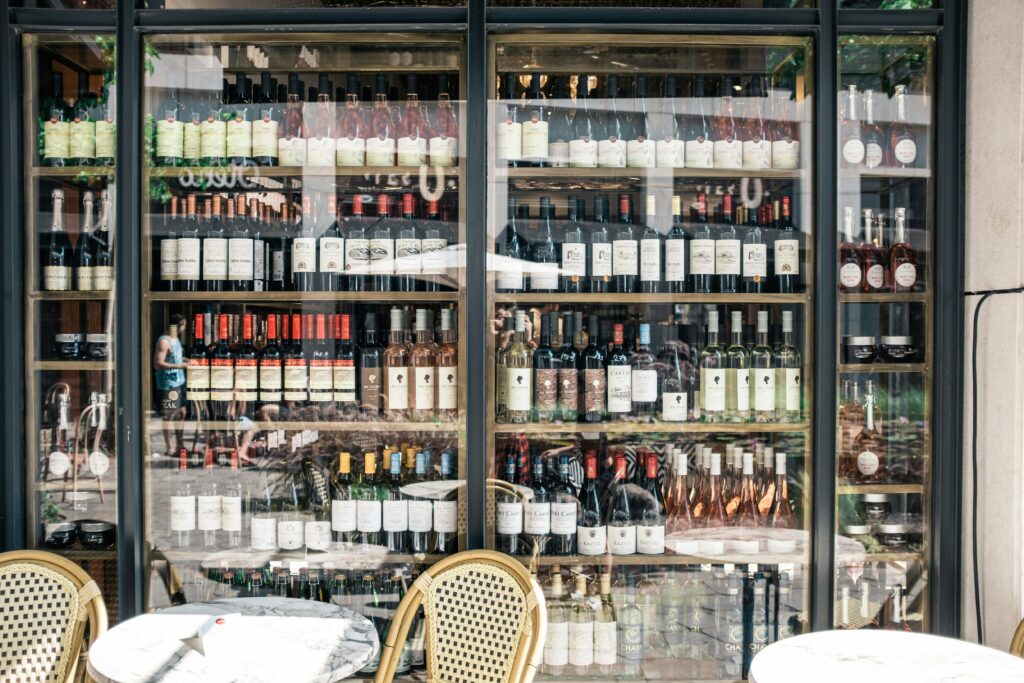
In that context, positioning matters as much as quality. And positioning is communicated first through branding.
What a label actually signals
A wine label is doing more work than most producers realise. In a few square centimetres it needs to communicate price segment, target audience, export ambition, and shelf presence. Simultaneously, and without explanation.
A label pitched at the wrong price segment will confuse buyers even if the wine is priced correctly. A label that looks domestic will struggle in export markets regardless of the wine’s quality. A label that blends into the category will be overlooked by the exact consumers it was made for.
Every detail matters — typography, colour, material, finish, the weight of the paper, the presence or absence of embossing. These aren’t aesthetic preferences. They’re strategic decisions.
Consistency builds trust
When the visual identity extends consistently across packaging, website, e-commerce, and trade materials, something important happens: it builds trust not just with consumers, but with importers, distributors, and buyers who are evaluating dozens of producers at once.
Consistency signals professionalism. It signals that the producer takes their brand seriously — which, by extension, suggests they take their wine seriously too.
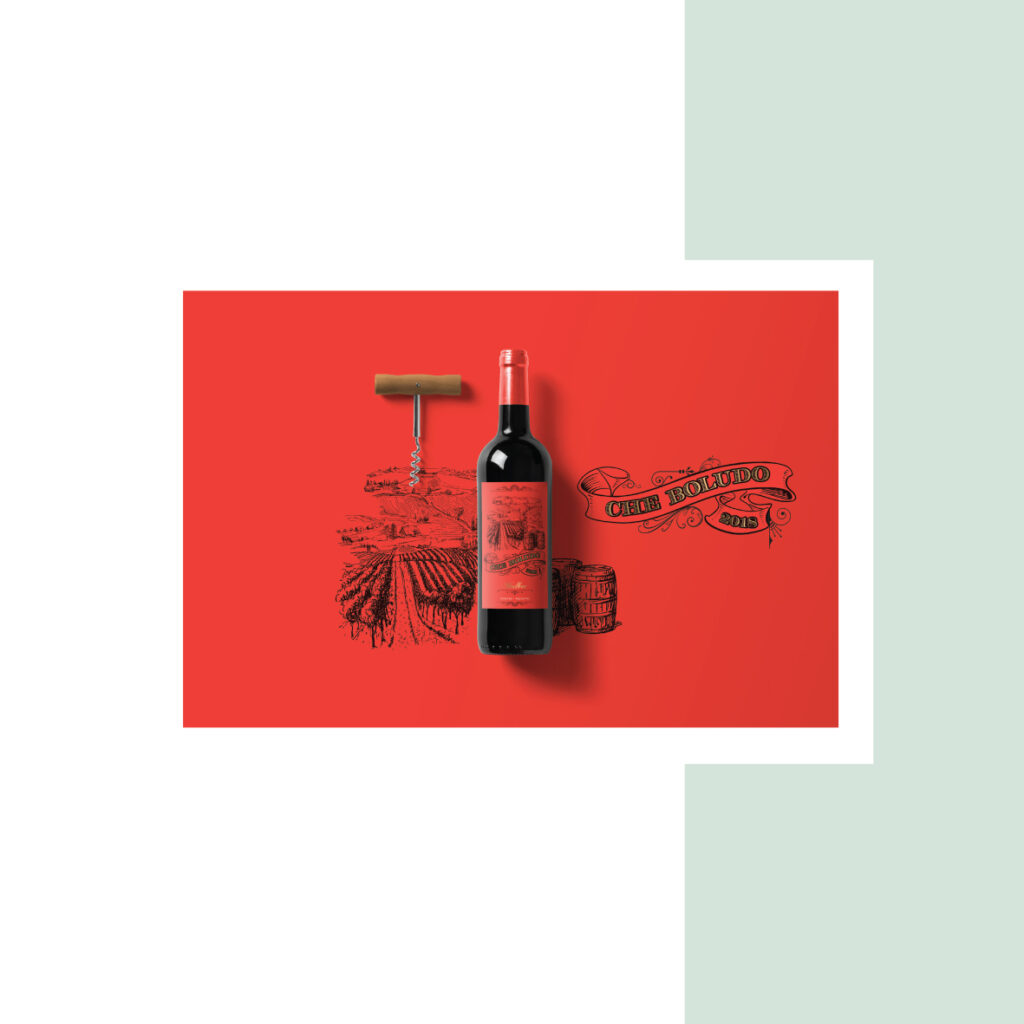
Inconsistency does the opposite. A beautiful label paired with an outdated website, or strong packaging paired with weak trade materials, creates doubt at exactly the moment when confidence is needed.
Branding is not separate from business
This is perhaps the most important shift in perspective for wine producers today: branding is not a creative luxury or a marketing add-on. It is a business tool.
In today’s wine industry, branding is about aligning perception with ambition. If your wine is positioned for premium markets, your visual identity needs to support that positioning at every touchpoint. If your ambition is export growth, your label needs to speak to buyers who don’t know your region, your story, or your name.
Great wine deserves to be found. Good branding makes that possible.